
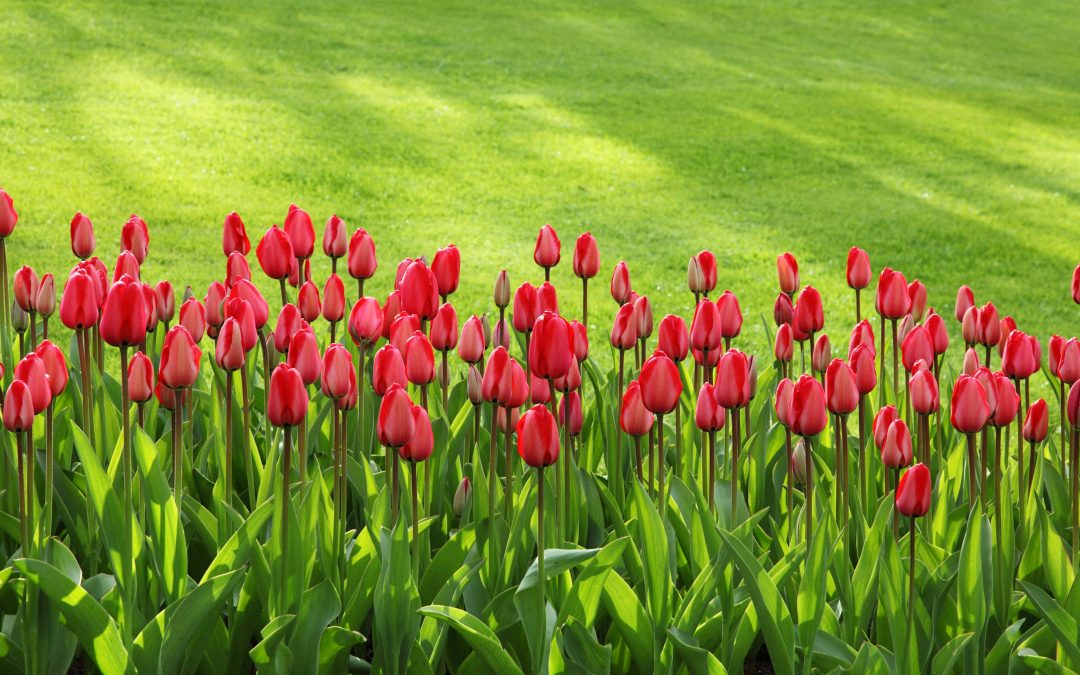
Step outside your home and imagine a yard that feels just as welcoming as your living room. Picture a peaceful garden path, a cozy seating area under a tree, and vibrant plants that bring color to every corner. That vision is exactly what Custom residential landscaping design aims to create.
Many homeowners overlook the potential of their outdoor spaces. Lawns often stay simple and functional but lack personality or purpose. With the right design approach, however, a yard can become an extension of your home where you relax, entertain guests, or simply enjoy fresh air.
Landscaping also offers real value. According to research published by Virginia Tech, attractive landscaping can increase a home’s perceived value by up to 12 percent. This means thoughtful outdoor design not only improves daily living but may also enhance property value.
Let’s explore how customized landscaping design works and how it can transform ordinary yards into beautiful, functional spaces.
What Is Custom Residential Landscaping Design?
Custom residential landscaping design focuses on creating outdoor spaces that match a homeowner’s lifestyle, preferences, and property layout. Instead of installing generic plants or simple lawns, designers develop a plan tailored specifically for the home.
The process usually begins with a site evaluation. Landscape designers assess several important factors such as:
- The size and shape of the property
- Soil quality and drainage
- Sunlight exposure during different times of day
- Existing trees, structures, or slopes
- The homeowner’s goals and style preferences
After evaluating these elements, designers create a landscaping plan that balances aesthetics with practicality.
The result is a yard that looks beautiful while also functioning well for everyday use.
Why Personalized Landscaping Matters
Every home is different, which means landscaping should never follow a single standard formula. A family with children might need open lawn areas for play, while someone who enjoys gardening may want detailed flower beds and plant collections.
Custom residential landscaping design allows homeowners to prioritize what matters most to them.
Some people focus on outdoor relaxation spaces such as patios or shaded seating areas. Others prefer colorful gardens that change with the seasons. A customized plan ensures the yard reflects those priorities.
This personalized approach also helps avoid common landscaping problems like overcrowded plants, poor drainage, or inefficient layouts.
Creating Outdoor Living Spaces
Modern landscaping is no longer limited to lawns and flower beds. Many homeowners are turning their yards into fully functional outdoor living spaces.
These areas can include features such as:
- Outdoor patios or decks
- Fire pits or fireplaces
- Pergolas or shade structures
- Comfortable seating and dining areas
Outdoor living spaces allow families to spend more time outside, especially during pleasant weather.
According to the American Society of Landscape Architects, outdoor living areas remain one of the most requested landscape design features among homeowners. These spaces combine relaxation with entertainment, making them perfect for gatherings or quiet evenings outdoors.
Choosing the Right Plants for Your Landscape
Plants are at the heart of any landscape design. The right combination of trees, shrubs, and flowers brings color, texture, and seasonal variety to the yard.
Professional designers carefully select plants based on several important factors:
- Local climate conditions
- Soil type and moisture levels
- Sunlight availability
- Long term maintenance requirements
For example, native plants are often recommended because they naturally adapt to local weather patterns and require less water and maintenance.
Custom residential landscaping design focuses on plant choices that remain healthy and vibrant over time, which helps ensure the landscape continues to look beautiful year after year.
Improving Curb Appeal With Landscape Design
First impressions matter, especially when it comes to homes. A well designed front yard can dramatically improve curb appeal and make a property feel more welcoming.
Simple landscape improvements can include:
- Lined pathways leading to the front door
- Symmetrical plant arrangements near entryways
- Decorative lighting for evening visibility
- Seasonal plants that add color throughout the year
These elements guide visitors naturally toward the home while creating a polished appearance.
For homeowners considering selling in the future, curb appeal improvements often attract more potential buyers and increase interest in the property.
Sustainable Landscaping Is Gaining Attention
Many homeowners today are also interested in environmentally friendly landscaping solutions. Sustainable landscape design helps conserve resources while still creating beautiful outdoor spaces.
Some popular sustainable practices include:
- Installing drip irrigation systems for efficient watering
- Using drought tolerant plants
- Adding mulch to retain soil moisture
- Collecting rainwater for garden irrigation
The Environmental Protection Agency (EPA) reports that outdoor water use accounts for nearly 30 percent of household water consumption in the United States. Smart landscaping choices can significantly reduce water waste while maintaining attractive gardens.
Sustainability has become an important part of modern custom landscape design.
Designing Functional Walkways and Pathways
Walkways do more than guide people around the yard. They also add structure and visual interest to landscape designs.
Pathways can be created using materials such as:
- Natural stone
- Brick
- Concrete pavers
- Gravel or decorative stones
Well designed walkways connect different areas of the yard, such as gardens, patios, and entrances. They also help protect lawns from foot traffic.
Custom residential landscaping design often includes pathway planning to ensure smooth movement throughout the outdoor space.
The Value of Professional Landscape Planning
Some homeowners enjoy doing their own gardening projects. However, larger landscaping projects often benefit from professional planning and expertise.
Landscape designers bring valuable knowledge about plant selection, drainage solutions, and design balance.
Professionals can also help homeowners avoid common mistakes such as:
- Planting trees too close to buildings
- Choosing plants that require excessive maintenance
- Creating layouts that disrupt natural drainage patterns
With professional guidance, landscaping projects are more likely to succeed in both appearance and functionality.
Simple Landscaping Ideas to Get Started
You do not need a full redesign to begin improving your yard. Small landscaping updates can create noticeable changes.
Here are a few easy ideas to start with:
- Add fresh mulch to existing garden beds
- Plant colorful flowers near entrances
- Install solar pathway lighting
- Trim overgrown shrubs and trees
These small improvements help refresh the yard and make outdoor spaces feel more inviting.
Over time, homeowners can expand these ideas into a full landscape design plan.
Final Thoughts
Your yard has the potential to become one of the most enjoyable parts of your home. With thoughtful planning and creative design, outdoor spaces can offer relaxation, beauty, and functionality all at once.
Custom residential landscaping design focuses on creating personalized outdoor environments that match your lifestyle and property layout. By combining plants, pathways, outdoor living spaces, and sustainable practices, homeowners can transform simple yards into welcoming retreats.
Whether you want a peaceful garden, a lively entertainment space, or a balanced mix of both, the right landscape design can help bring that vision to life.
Recent Comments