
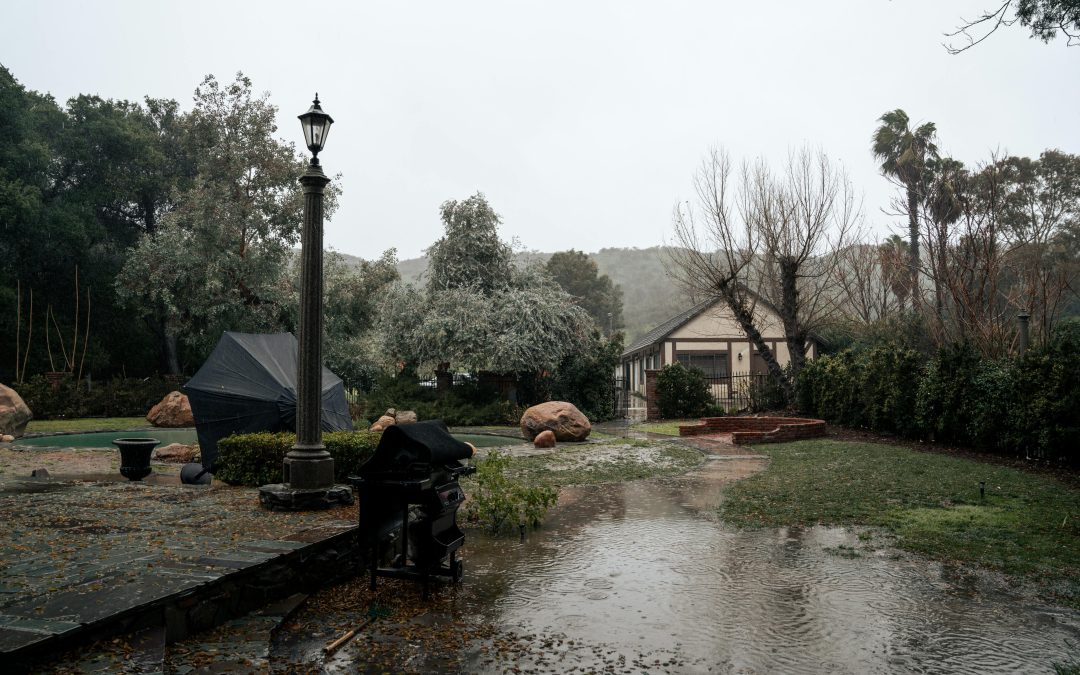
A soggy yard is more than just an eyesore. It can damage grass, attract pests, create muddy patches, and even threaten your home’s foundation if water keeps pooling in the wrong places. Many homeowners notice the problem after heavy rain, when water refuses to drain properly and stays trapped in low areas.
That is why a lot of people search for how to fix a soggy yard with a French drain when regular landscaping solutions do not work. A French drain is one of the most effective long-term ways to redirect excess water away from your yard and restore proper drainage.
Why Your Yard Becomes Soggy
Before fixing the problem, it helps to understand what causes it. A soggy yard usually happens when water has nowhere to go.
Common reasons include:
- Poor soil drainage, especially clay-heavy soil
- Low spots where water naturally collects
- Compacted soil that prevents absorption
- Improper yard grading or slope issues
- Overflow from gutters or downspouts
When these issues combine, water stays on the surface instead of soaking into the ground.
What Is A French Drain
A French drain is a simple but powerful drainage system designed to move water away from problem areas.
It typically consists of:
- A sloped trench dug into the ground
- A perforated pipe placed inside the trench
- Gravel surrounding the pipe to help water flow
- A fabric layer to prevent soil clogging
The system collects excess water and redirects it to a safer drainage area, such as a storm drain or lower part of the yard.
How A French Drain Fixes A Soggy Yard
When learning how to fix a soggy yard with a French drain, the key idea is water redirection. Instead of letting water pool on the surface, the drain gives it an underground path to flow away.
Here is how it works step by step:
- Water seeps into the gravel-filled trench
- It enters the perforated pipe
- The pipe carries it downhill through gravity
- Water is discharged away from the yard
This prevents standing water and helps the soil dry out faster.
Step 1: Identify The Problem Area
Start by observing your yard after heavy rain. Look for:
- Standing water that does not drain for hours or days
- Soft, muddy patches that stay wet
- Areas where grass struggles to grow
Mark these zones so you know exactly where the French drain is needed.
Step 2: Plan The Drain Route
A successful French drain needs a clear path for water to flow.
You should:
- Identify a natural slope in your yard
- Choose a safe drainage outlet point
- Avoid underground utilities before digging
- Plan the shortest effective route possible
Proper planning ensures the system actually solves the drainage issue instead of shifting it elsewhere.
Step 3: Dig The Trench
Once the route is planned, you dig a trench along the affected area.
General guidelines:
- Depth is usually 12 to 24 inches
- Width is typically 6 to 12 inches
- The trench must slope downward for gravity flow
A consistent slope is important because it ensures water keeps moving instead of pooling inside the pipe.
Step 4: Add Landscape Fabric And Gravel
After digging the trench, line it with landscape fabric. This prevents soil from clogging the system over time.
Then:
- Add a layer of gravel at the bottom
- Place more gravel around the pipe after installation
Gravel helps water flow freely into the pipe while maintaining structure.
Step 5: Install The Perforated Pipe
Next, place the perforated pipe into the trench. The holes should face downward or sideways depending on design preferences.
This pipe is the core of the system. It collects water from the surrounding gravel and transports it away from the soggy area.
Step 6: Cover And Finish The Surface
Once the pipe is installed:
- Cover it completely with gravel
- Fold the landscape fabric over the top
- Add soil and grass or decorative stone on top
This restores the appearance of your yard while keeping the drainage system hidden underground.
Benefits Of A French Drain
When done correctly, a French drain offers long-term relief from drainage problems.
Key benefits include:
- Eliminates standing water in problem areas
- Protects landscaping and plant health
- Reduces mosquito and pest activity
- Prevents soil erosion
- Helps protect home foundations from water damage
Common Mistakes To Avoid
Many DIY installations fail due to simple mistakes.
Avoid:
- Installing without proper slope
- Using gravel that is too fine and clogs easily
- Skipping landscape fabric
- Poor placement away from the actual problem area
- Not planning a proper water outlet
These mistakes can reduce the effectiveness of the system significantly.
Conclusion
Learning how to fix a soggy yard with a French drain can save your lawn from long-term damage and constant water problems. By collecting excess water underground and redirecting it safely away, a French drain provides a practical and lasting solution.
With proper planning and installation, you can turn a muddy, waterlogged yard into a dry, usable outdoor space that stays healthy even after heavy rain.
Recent Comments