
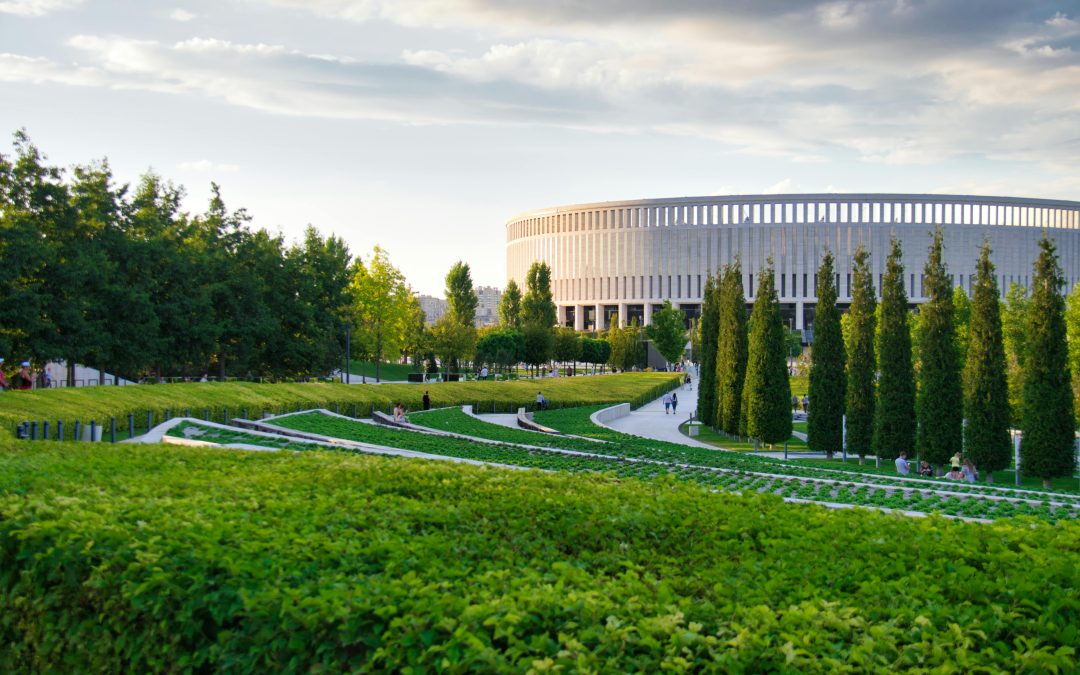
Have you ever been in a space that feels both refreshing and easy to move around in? Not too crowded with plants, but not empty either. That perfect balance is what many homeowners, planners, and designers aim for.
Balancing green coverage with open space is all about creating an environment that feels natural, functional, and comfortable at the same time. Whether it is your backyard, a community park, or even a commercial space, getting this balance right can make a huge difference.
Let’s explore how to create that harmony without overcomplicating things.
Why This Balance Matters More Than You Think
Greenery brings life into a space, but too much of it can feel overwhelming or difficult to maintain. On the other hand, too much open space can feel bare and uninviting.
According to the World Health Organization, access to green spaces is linked to improved mental health, reduced stress, and better overall well being. At the same time, open areas are essential for movement, social interaction, and usability.
This is why balancing green coverage with open space is not just about design. It is about creating spaces that support how people live and feel.
Understanding Green Coverage
Green coverage refers to the areas in your space that include plants, grass, trees, or landscaping elements.
This can include:
- Lawns and grassy areas
- Garden beds and flower borders
- Trees and shrubs
- Vertical gardens or green walls
These elements help cool the environment, improve air quality, and make spaces visually appealing.
The Role of Open Space
Open space is just as important as greenery. It provides room for movement, activities, and relaxation.
Examples of open space include:
- Patios and seating areas
- Walkways and pathways
- Play areas for children
- Clear zones for gatherings or events
Without enough open space, even the most beautiful greenery can feel restrictive.
Finding the Right Balance for Your Space
There is no one size fits all formula, but a good starting point is to think about how you use your space.
Ask yourself:
- Do I need room for entertaining or activities
- How much maintenance am I willing to handle
- What kind of atmosphere do I want to create
Balancing green coverage with open space starts with understanding your lifestyle and priorities.
Practical Tips to Get It Right
Creating balance does not have to be complicated. A few thoughtful choices can go a long way.
Here are some simple tips:
- Divide your space into zones for greenery and activity
- Use borders or edging to define areas clearly
- Avoid overcrowding plants in one spot
- Keep pathways clear and easy to navigate
- Choose plants that suit your climate and space
These steps help create a layout that feels organized and natural.
Using Layers for a Natural Look
Layering is a great way to combine greenery with open space without making things feel cluttered.
For example:
- Place taller plants or trees at the back
- Use medium height shrubs in the middle
- Add low ground cover or grass in the front
This creates depth while still leaving room for open areas.
Low Maintenance Greenery Options
One common concern is the time and effort required to maintain green spaces.
If you want to keep things simple, consider:
- Native plants that require less water and care
- Drought resistant landscaping
- Artificial turf for certain areas
- Mulched garden beds to reduce weeds
These options make balancing green coverage with open space more manageable in the long run.
Designing for Comfort and Functionality
A well balanced space should not only look good but also feel comfortable to use.
Think about adding:
- Shaded areas under trees or pergolas
- Seating that blends with the surroundings
- Lighting for evening use
- Open zones that can be used for multiple purposes
Functionality ensures your space is used regularly rather than just admired from a distance.
Common Mistakes to Avoid
Even with good intentions, it is easy to get the balance wrong.
Watch out for:
- Overplanting without leaving room to move
- Ignoring maintenance requirements
- Blocking natural light with too many trees
- Creating open spaces that feel too empty
Avoiding these mistakes helps maintain harmony in your design.
How This Balance Adds Value
A well designed outdoor space can increase both enjoyment and property value.
Real estate experts often note that homes with attractive landscaping and usable outdoor areas tend to appeal more to buyers.
Balancing green coverage with open space creates a space that feels complete, which can make a strong impression.
Bringing the Concept to Any Space
This approach is not limited to large yards or parks. It works just as well in smaller spaces.
For example:
- A small balcony can combine potted plants with a seating area
- A compact backyard can include a lawn and a simple patio
- Even indoor spaces can use plants alongside clear walking areas
No matter the size, balance is always achievable with thoughtful planning.
Final Thoughts on Creating a Balanced Space
Designing a space that feels both green and open is about intention. It is not about adding more or taking away everything. It is about finding what works best for you.
Balancing green coverage with open space allows you to enjoy the benefits of nature while still having room to relax, move, and connect with others.
Start small, make adjustments as you go, and focus on creating a space that feels right for your everyday life. When everything comes together, you will notice the difference immediately.
Recent Comments