
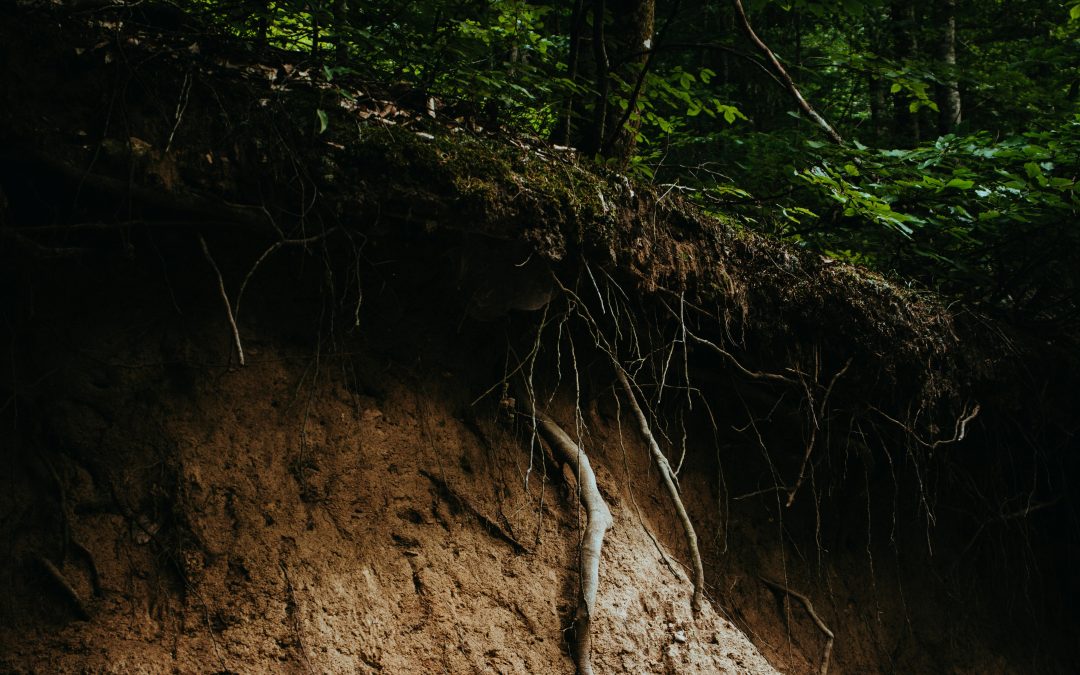
Heavy rainfall in the Carolinas can turn a beautiful yard into a fast-moving water problem. Sloped lawns, loose soil, and poor drainage can quickly lead to washed-out gardens, exposed roots, and muddy runoff paths. Once erosion starts, it tends to get worse with every storm.
That is why many homeowners search for how to prevent soil erosion during heavy Carolina rains before the rainy season begins. The goal is simple: slow down water, guide it properly, and keep soil in place even during intense downpours.
Why Soil Erosion Happens So Easily In The Carolinas
The Carolinas often experience strong seasonal rainstorms, especially during summer and hurricane periods. When rain falls heavily and quickly, the soil does not always have time to absorb it.
Common causes include:
- Sloped yards that allow water to flow downhill quickly
- Bare soil without grass or ground cover
- Clay-heavy soil that absorbs water slowly
- Poor drainage around homes and landscaping
- Lack of barriers to slow down runoff
Once water starts moving soil, it creates channels that carry even more soil away over time.
Use Ground Cover To Hold Soil In Place
One of the simplest ways to prevent erosion is to keep soil covered. Bare ground is the most vulnerable to heavy rain.
Effective ground cover options include:
- Grass and turf for general coverage
- Mulch for garden beds and planted areas
- Creeping plants that spread across slopes
- Decorative ground cover like gravel in dry zones
These coverings reduce the direct impact of rain and help soil stay compact.
Install Retaining Walls On Sloped Areas
If your yard has a steep slope, retaining walls can make a major difference. They physically hold soil in place and reduce the speed of water flow.
Benefits include:
- Breaking up long slopes into smaller sections
- Redirecting water flow in controlled paths
- Adding structure and usable space to yards
Materials commonly used include stone, concrete blocks, and timber, depending on design and budget.
Improve Drainage To Control Water Flow
Poor drainage is one of the main reasons erosion gets worse over time. When water has nowhere to go, it takes soil with it.
To improve drainage:
- Redirect downspouts away from soil beds
- Create shallow drainage channels in problem areas
- Use gravel trenches to guide water flow
- Ensure yard grading slopes away from the home
When learning how to prevent soil erosion during heavy Carolina rains, controlling water direction is one of the most important steps.
Use Erosion Control Fabric Or Netting
For newly landscaped areas or steep slopes, erosion control fabric can help stabilize soil until plants take root.
How it helps:
- Holds soil in place during heavy rainfall
- Allows water to pass through without washing soil away
- Protects newly seeded grass areas
This is especially useful in the early stages of landscaping or construction.
Plant Deep-Rooted Vegetation
Plants with strong root systems naturally anchor soil and reduce erosion risk.
Good options include:
- Native grasses that grow well in local climates
- Shrubs with deep root systems
- Ground-cover plants that spread horizontally
Native plants are especially effective because they are adapted to local rainfall patterns and soil conditions.
Add Mulch To Reduce Water Impact
Mulch is a simple but powerful tool for erosion control in garden beds and landscaped areas.
Benefits include:
- Reduces direct impact of raindrops on soil
- Helps retain moisture during dry periods
- Prevents soil from being easily washed away
Organic mulch like bark or wood chips works especially well in flower beds and around trees.
Build Water Diversion Channels
In areas where water consistently flows during storms, controlled channels can help guide runoff safely.
These may include:
- Small swales along slopes
- Rock-lined drainage paths
- Shallow trenches directing water to safe zones
The goal is not to stop water completely but to guide it so it does not damage soil.
Conclusion
Understanding how to prevent soil erosion during heavy Carolina rains comes down to one main idea: control water before it controls your soil. By improving drainage, using ground cover, planting strong vegetation, and adding physical barriers like retaining walls or erosion fabric, you can protect your landscape from heavy rainfall damage.
With the right combination of strategies, even strong seasonal storms can pass through without washing away your yard.
Recent Comments