
A patio is one of the most used outdoor spaces in any home. It is where people relax, entertain guests, and spend time outdoors. But when it comes to building or upgrading a patio, one question comes up again and again.
Homeowners often compare paver design vs stamped concrete for durable patios because both options look great at first glance, but they perform differently over time. The real decision is not just about style, but also durability, maintenance, and long-term value.
What Is A Paver Patio Design
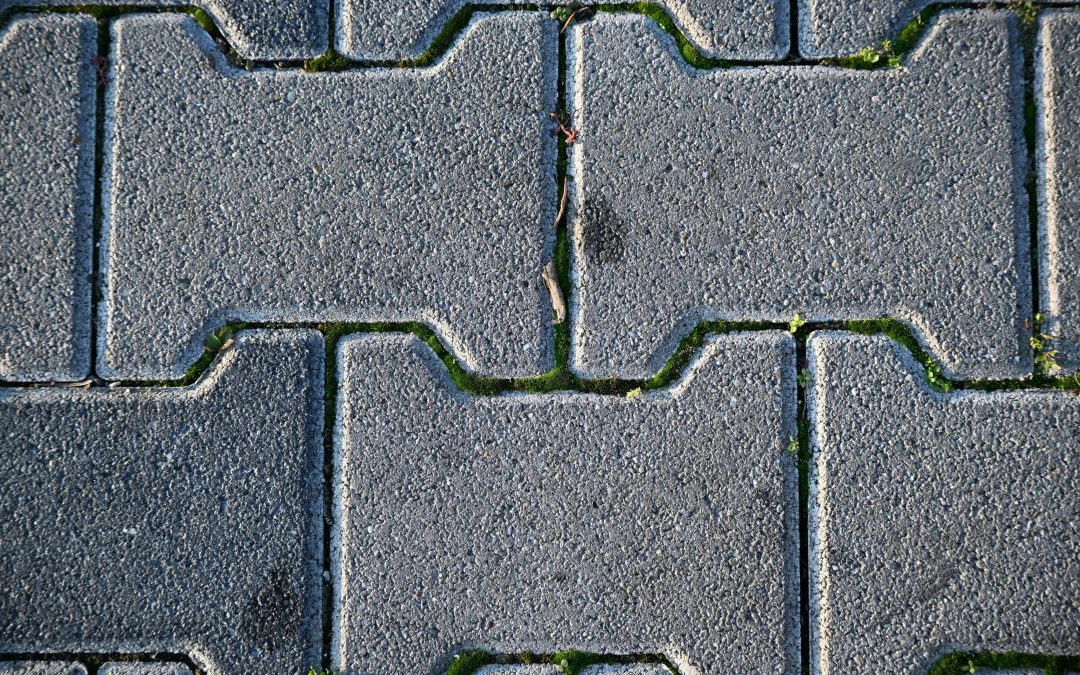
Paver patios are made using individual units such as concrete, brick, or natural stone pieces that are laid in patterns over a prepared base.
Key features of paver designs:
- Individual interlocking units
- Flexible base that allows slight movement
- Wide range of patterns and colors
- Easy replacement of single damaged pieces
Pavers are often chosen for their visual appeal and long-term repair flexibility.
What Is Stamped Concrete
Stamped concrete is a solid concrete slab that is poured and then textured or stamped to look like stone, brick, or tile.
Key features include:
- Single continuous concrete surface
- Decorative patterns stamped into wet concrete
- Can be colored for design variety
- Seamless appearance without joints
Stamped concrete is popular for creating a clean and uniform patio look.
Durability Comparison
When evaluating paver design vs stamped concrete for durable patios, durability is usually the most important factor.
Pavers tend to perform better long-term because:
- They flex slightly with ground movement
- Individual units resist cracking
- Damaged sections can be replaced easily
Stamped concrete is strong but more rigid:
- Can develop cracks over time due to ground movement
- Repairs are often visible and harder to match
- Large cracks may require resurfacing
In areas with shifting soil or freeze-thaw conditions, pavers usually last longer with fewer structural issues.
Maintenance And Repairs
Maintenance plays a big role in long-term satisfaction.
Paver maintenance:
- Occasional re-sanding between joints
- Sealing every few years if desired
- Easy to replace individual damaged pavers
Stamped concrete maintenance:
- Regular sealing to protect color and surface
- Crack repair can be difficult to hide
- Surface wear may require refinishing over time
Pavers are generally easier to maintain in the long run, especially for high-use patios.
Appearance And Design Options
Both options offer strong design flexibility, but in different ways.
Pavers:
- Natural, textured, and dimensional look
- Many patterns such as herringbone, basket weave, or random layouts
- High-end appearance with real material variation
Stamped concrete:
- Smooth and continuous surface
- Can mimic stone, tile, or brick patterns
- More uniform overall look
If you prefer a natural outdoor feel, pavers often stand out. If you want a sleek, seamless design, stamped concrete may appeal more.
Cost Considerations
Cost is another major factor when comparing paver design vs stamped concrete for durable patios.
Stamped concrete:
- Usually lower upfront installation cost
- Faster to install on large areas
- Less labor-intensive initially
Pavers:
- Higher installation cost due to labor and base preparation
- More time-consuming to install
- Better long-term value due to repairability
While stamped concrete is cheaper initially, pavers often provide better value over time.
Weather And Long-Term Performance
Outdoor patios must handle sun, rain, and temperature changes.
Pavers:
- Handle expansion and contraction better
- Less prone to large visible cracks
- Maintain structural integrity over time
Stamped concrete:
- Can fade or discolor without proper sealing
- More vulnerable to cracking in extreme conditions
- Repairs may not blend perfectly
For harsh climates or unstable soil, pavers generally perform more reliably.
Conclusion
When comparing paver design vs stamped concrete for durable patios, both options have strengths. Stamped concrete offers a smooth, cost-effective surface with attractive design possibilities. Pavers, on the other hand, provide better long-term durability, easier repairs, and greater flexibility under changing ground conditions.
If your priority is upfront affordability and a seamless look, stamped concrete can work well. But if you want long-lasting performance and easier maintenance, paver design is often the stronger investment for a durable patio.
Recent Comments