
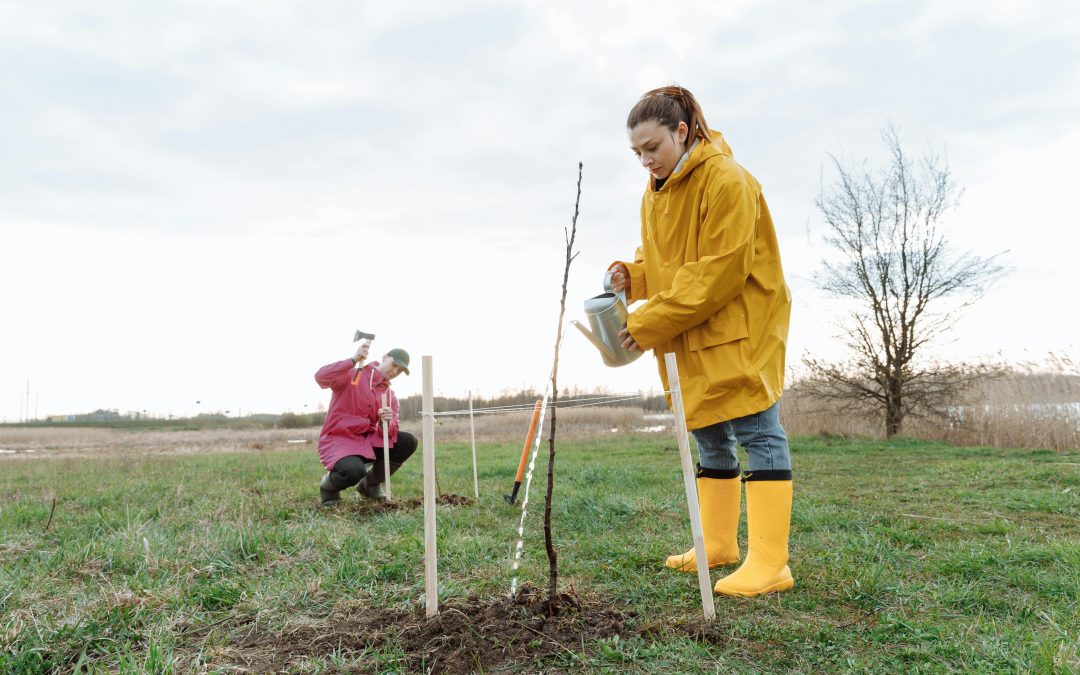
Water conservation is becoming more important than ever as communities face droughts and rising water costs. One of the most effective ways homeowners can make a difference is through sustainable landscaping. By planning your yard carefully and choosing the right plants and techniques, you can enjoy a beautiful garden while using significantly less water.
According to the Environmental Protection Agency, residential outdoor water use can account for nearly 30% of total household water consumption. By adopting sustainable landscaping practices, homeowners can reduce water waste and save money on utility bills. Let’s dive into how sustainable landscaping saves water and why it is a smart choice for your home.
What Is Sustainable Landscaping
Sustainable landscaping is all about designing outdoor spaces that work with nature instead of against it. This approach focuses on reducing water use, promoting healthy soil, and choosing plants that thrive in your local climate.
Key aspects of sustainable landscaping include:
- Native plants: These plants are adapted to local conditions and require less watering and maintenance.
- Soil health: Healthy soil retains moisture better, reducing the need for frequent irrigation.
- Efficient irrigation: Drip systems and timers deliver water directly to plant roots, minimizing waste.
When done correctly, sustainable landscaping creates a resilient, low-maintenance yard that benefits both homeowners and the environment.
How Sustainable Landscaping Saves Water in Your Garden
One of the biggest advantages of sustainable landscaping is water conservation. Here is how it works in practice:
- Using drought-tolerant plants: Succulents, lavender, and ornamental grasses need minimal watering and can thrive in hot, dry climates.
- Mulching beds: Mulch reduces evaporation, keeps soil cooler, and helps retain moisture for longer periods.
- Efficient irrigation systems: Drip irrigation and soaker hoses ensure water goes directly to roots instead of evaporating on leaves or soil surface.
A simple example: replacing a traditional lawn with native plants can reduce water use by up to 50%, according to the Alliance for Water Efficiency. This makes a big impact on your water bill while still maintaining a lush and attractive yard.
Tips for Designing a Water-Smart Landscape
Creating a water-efficient yard does not mean sacrificing beauty. Here are some practical tips for homeowners:
- Group plants by water needs: Keep high-water plants together and drought-tolerant plants in another zone. This reduces waste and ensures each plant gets the right amount of water.
- Use rainwater harvesting: Collect rainwater in barrels to water gardens naturally and reduce dependency on municipal water.
- Reduce lawn areas: Lawns require frequent watering, so consider replacing some grassy areas with gravel, ground covers, or native plants.
- Choose permeable surfaces: Paths and patios made of permeable materials allow water to soak into the ground, helping replenish soil moisture.
These simple strategies not only conserve water but also create a more sustainable, environmentally friendly outdoor space.
Benefits Beyond Water Savings
While the focus is water conservation, sustainable landscaping offers other advantages:
- Lower maintenance: Native and drought-tolerant plants require less mowing, fertilizing, and care.
- Enhanced biodiversity: Using native plants supports pollinators like bees and butterflies, creating a healthier ecosystem.
- Energy savings: Strategically planting trees and shrubs can provide shade for your home, reducing cooling costs in the summer.
By designing your yard sustainably, you are investing in a healthier, more resilient outdoor space that pays off in the long term.
Common Mistakes to Avoid
Even with the best intentions, some homeowners make errors that reduce the effectiveness of water-saving landscaping:
- Overwatering: Even drought-tolerant plants can suffer from too much water. Follow specific watering guidelines for each plant.
- Planting non-native species: These often require more water and care than native varieties, which defeats the purpose of sustainable landscaping.
- Ignoring soil health: Compacted or nutrient-poor soil cannot retain water efficiently. Regularly amend soil with compost to improve its water-holding capacity.
Being mindful of these pitfalls ensures your sustainable landscaping plan delivers maximum water savings.
Conclusion
How sustainable landscaping saves water is clear when you combine thoughtful design, efficient irrigation, and the right plant choices. From reducing outdoor water use by up to 50% to creating a low-maintenance and eco-friendly yard, sustainable landscaping is a practical and beautiful solution. By implementing these strategies, homeowners can enjoy lush gardens, support local ecosystems, and contribute to water conservation efforts in their communities.
Recent Comments